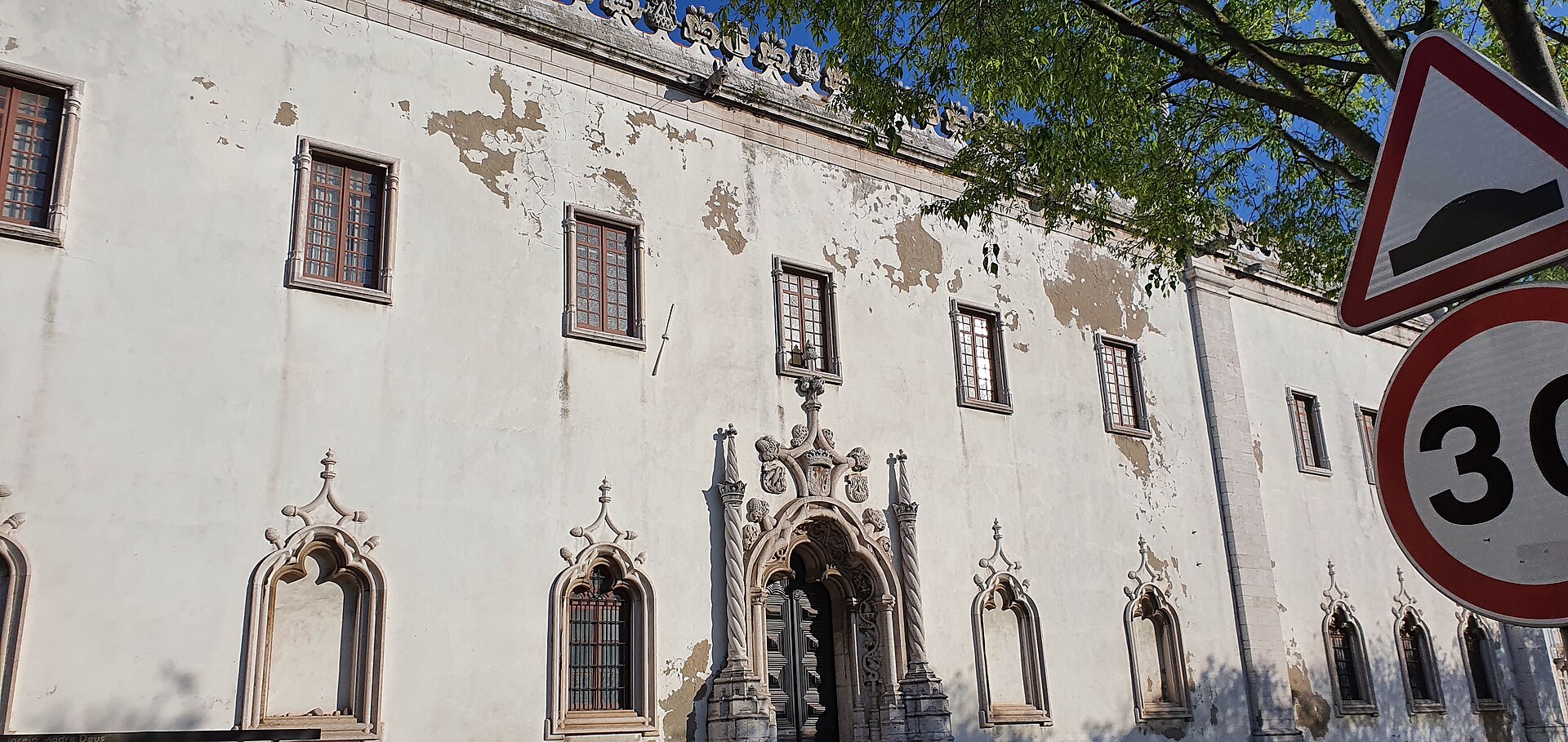
Queen Leonor founds Madre de Deus Convent; the first church is complete before 1522.
 XIAOXIONGMARKETLIS-006 / LISBOABack to the Lisbon story map ↗
CITY ANCHOR 006 · XABREGAS
Madre de Deus.
When images attach to walls,
a city begins to remember.
Azulejos are not merely a surface; they are one way time has found to remain.Begin in 1509 ↓
01 / VERIFIABLE HISTORYFACTS BEFORE INTERPRETATION
This is not a specimen of one style,
but five centuries of layers covering and revealing.
Founded by Queen Leonor in 1509, the convent passed through Manueline, Renaissance and Baroque campaigns, rebuilding after 1755 and new nineteenth-century uses. It became home to the Tile Museum in 1965.
King João III commissions Diogo de Torralva to reform the complex, leaving the Renaissance cloister.
Painted ceilings, Dutch and Portuguese azulejos, gilded carving and Baroque decoration reshape the church.
The earthquake damages the structure; rapid rebuilding adds new layers to the old.
The complex houses the National Tile Museum and a collection spanning the late fifteenth century to the present.
Historical sourcesPatrimónio Cultural · official register ↗Official institution · building history ↗Wikimedia Commons · image licences ↗
CITY ANCHOR AUDIT · v1.0
FORMAL ANCHORLIS-006 · FORMAL AUDIT PASSED
Official source
Public heritage, government, archive or responsible-institution records have been checked.
Independent support
At least one separate institutional, professional or academic source corroborates the dossier.
Time and place
Key dates, coordinates and administrative location can be checked against public records.
Facts kept separate
Verified building history is clearly separated from Xiaoxiong's contemporary Eastern reading.
Accountable review
The reviewing team, audit date and next review date are publicly recorded.
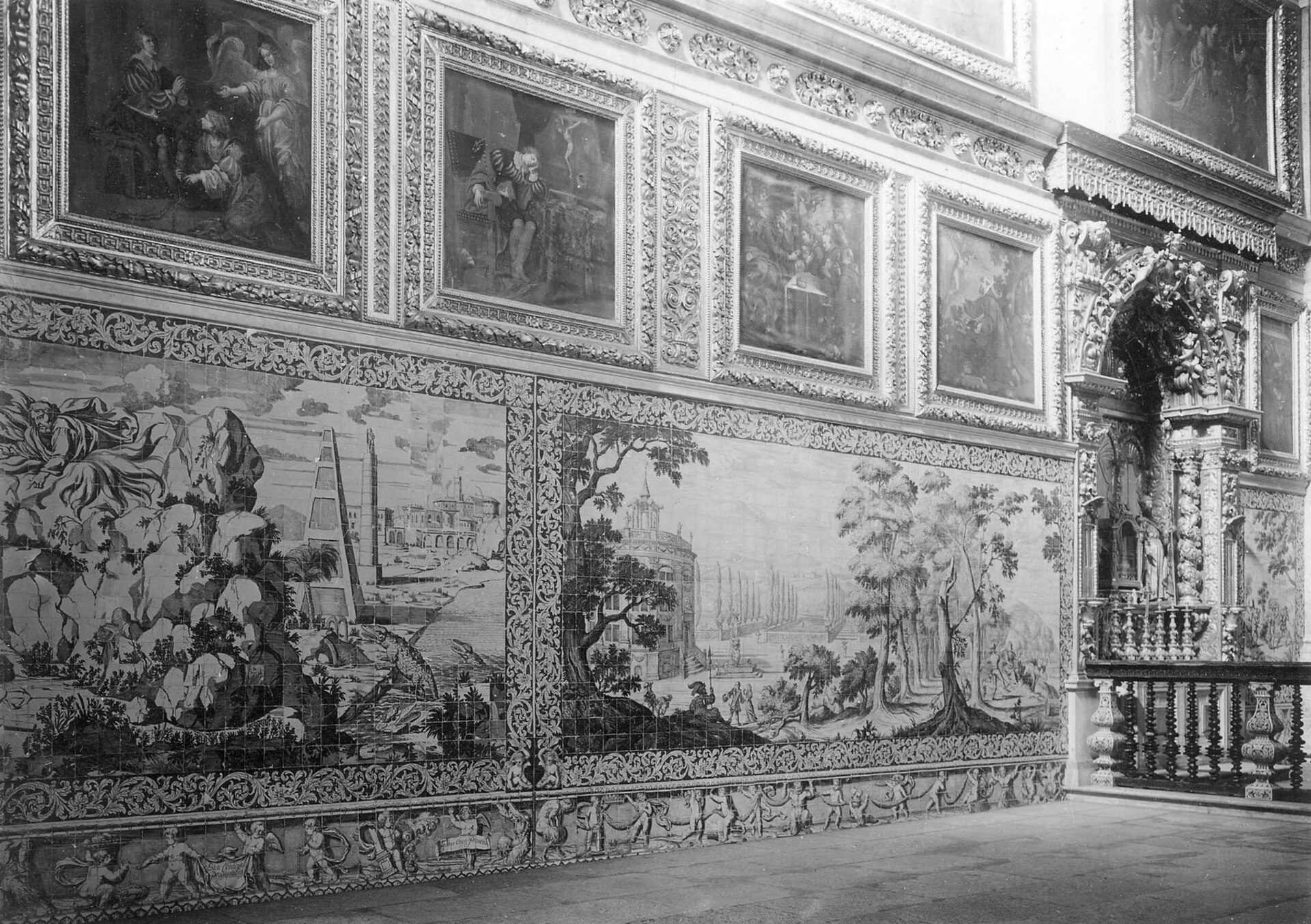
02 / THE TRAVELLER'S WAY IN
Do not look only at one tile;
watch what it becomes with a wall.
One piece is small, yet repeated it becomes architecture, narrative and public memory. The power lies in the dependence between image and place.
Without somewhere to attach, neither light nor image can remain.
03 / EASTERN EDITORIAL READING · AN EASTERN WAY OF READING THE CITY
HEXAGRAM 30Hexagram 30LiLi over Li · Fire
Commentary on the Image
“Brightness rises twice: Li;
the luminous person continues its light.”
Why do we read Madre de Deus
through Li?
Li is brightness and attachment. Tile attaches to wall, image to matter and culture to repeated acts of looking and care.
Small pieces make a whole
Each tile is limited; together they cover architecture and tell stories across rooms.
Material · Light needs supportImages return history to sight
Sacred scenes, city views and ornament turn abstract dates into visible testimony.
Vision · Continue the lightRestoration acknowledges layers
Earthquake, rebuilding and museum use do not flatten breaks; they let several periods appear together.
Time · Light continues through successionKEEP WALKING WITH THIS HEXAGRAMToday we attach memory to screens;
Today we attach memory to screens;
will it live for five hundred years as these azulejos have?
Step into Xabregas and notice industrial walls, homes and new venues: the city is still choosing what it allows to attach.
FACT AND INTERPRETATION KEPT SEPARATE
The foundation, campaigns, earthquake rebuilding and museum history are verifiable facts. Li is a contemporary editorial reading about attachment, light and visual continuity.
04 / WITHIN 3 KM OF MADRE DE DEUS CONVENT AND NATIONAL TILE MUSEUMSTORY BECOMES LOCAL LIFE
From a wall preserving images,
to a table preserving flavours.
Distances are recalculated from the coordinates of Madre de Deus Convent and National Tile Museum. The public archive supports discovery but does not confirm trading status; check the map and opening hours before setting out.
ONE CITY · TWO ENTRANCESTravellers enter the neighbourhood,
Travellers enter the neighbourhood,
restaurant owners claim their own place.
Travellers continue from a story to a meal; restaurant owners begin with the public record, complete it and apply to join the Xiaoxiong network.
TRAVELLER MODE · ENTER THE NEIGHBOURHOODStart where you stand
Start where you stand
Walk three kilometres through Xabregas and Penha de França.
Discover by distance, street and local flavour. First see where a place is and what it does; then choose a door you would like to open.
First 12 from Madre de Deus Convent and National Tile Museum
We first exclude mass-market chains with little local discovery value, then rank by verified claim → verified official website and image → data health → distance. The website label and official image always appear together.
WALK, LOOK, THEN CHOOSE · 3 KM
See what is nearby. Which table today?
Restaurants unfold by distance from the city anchor. Records remain under review; confirm today's opening hours before setting out.
No. / RestaurantLocation and dataData statusNext action
Loading the restaurant directory within 3 km…
RESTAURANT OWNER ENTRY
After the meal, take a seat on this anchor's Bench →If this is your restaurant, claim its public record and complete the business details and image permissions. It formally joins this three-kilometre base only after identity and operating rights have been verified.
Find and claim my restaurant ↗