Bishop D. Hugo drives construction of the Romanesque cathedral.
 XIAOXIONGMARKETPORTO · OPO-001Back to the Porto map
FIRST AUDITED CULTURAL ANCHOR
A city first needs
a centre that can stand up.
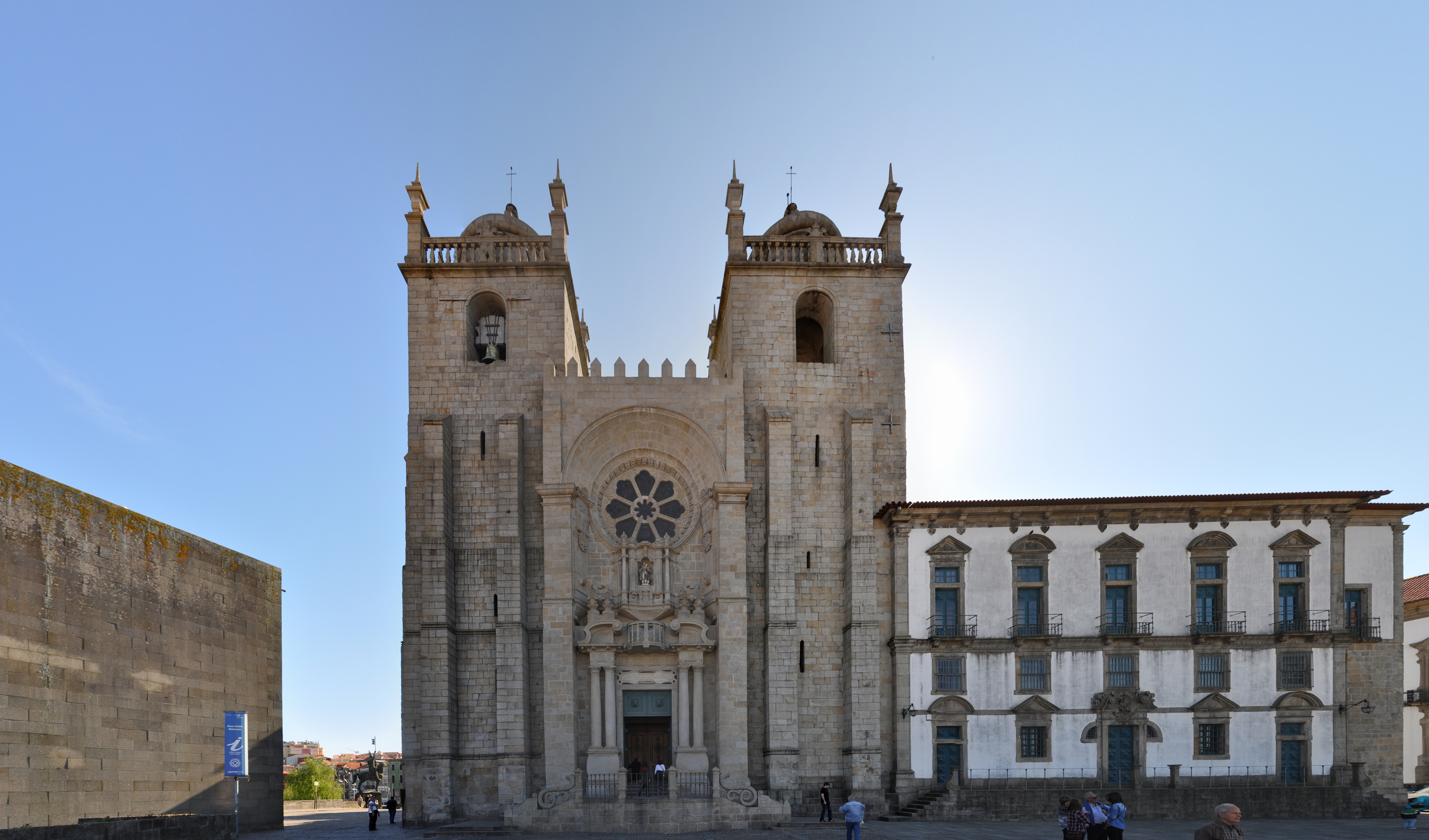
Porto Cathedral is not a building completed in a single year. Romanesque core, Gothic cloister and Baroque interventions coexist; the city renewed itself without erasing every earlier layer.
01 / VERIFIABLE HISTORY
Since the 12th century,
each age has answered on the same stone.
Work continues into the 13th century; the façade's rose window already speaks a Gothic language.
The Gothic cloister takes shape; King João I and Philippa of Lancaster marry here.
Portal, tower cupolas and Nasoni's loggia add a Baroque layer to the medieval body.
☶GEN
02 / EASTERN EDITORIAL READING
Gen · Mountain
Stillness is not stagnation; it begins by knowing where you stand.
The image of the Gen trigram is the mountain. A mountain does not reject movement; it gives movement a reference. Porto opens to the Douro and the Atlantic, with trade, people and styles always arriving. The cathedral shows that a centre need not remain untouched; it must know what not to lose in every change.
Today's question: when a city connects outward, what keeps movement from carrying it away?03 / THE NEXT THREE KILOMETRES
The story ends;
the walk into nearby Porto begins.
Leave the cathedral without chasing rankings. Walk down through São Bento, Batalha and Ribeira; notice how the street falls from hill to river, then choose a local table worth sitting at.
Look
Terreiro da Sé and the rooftops
Walk
São Bento and Batalha
Eat
Choose a table in the neighbourhood
Sit
Leave one sentence for Porto
Audit record